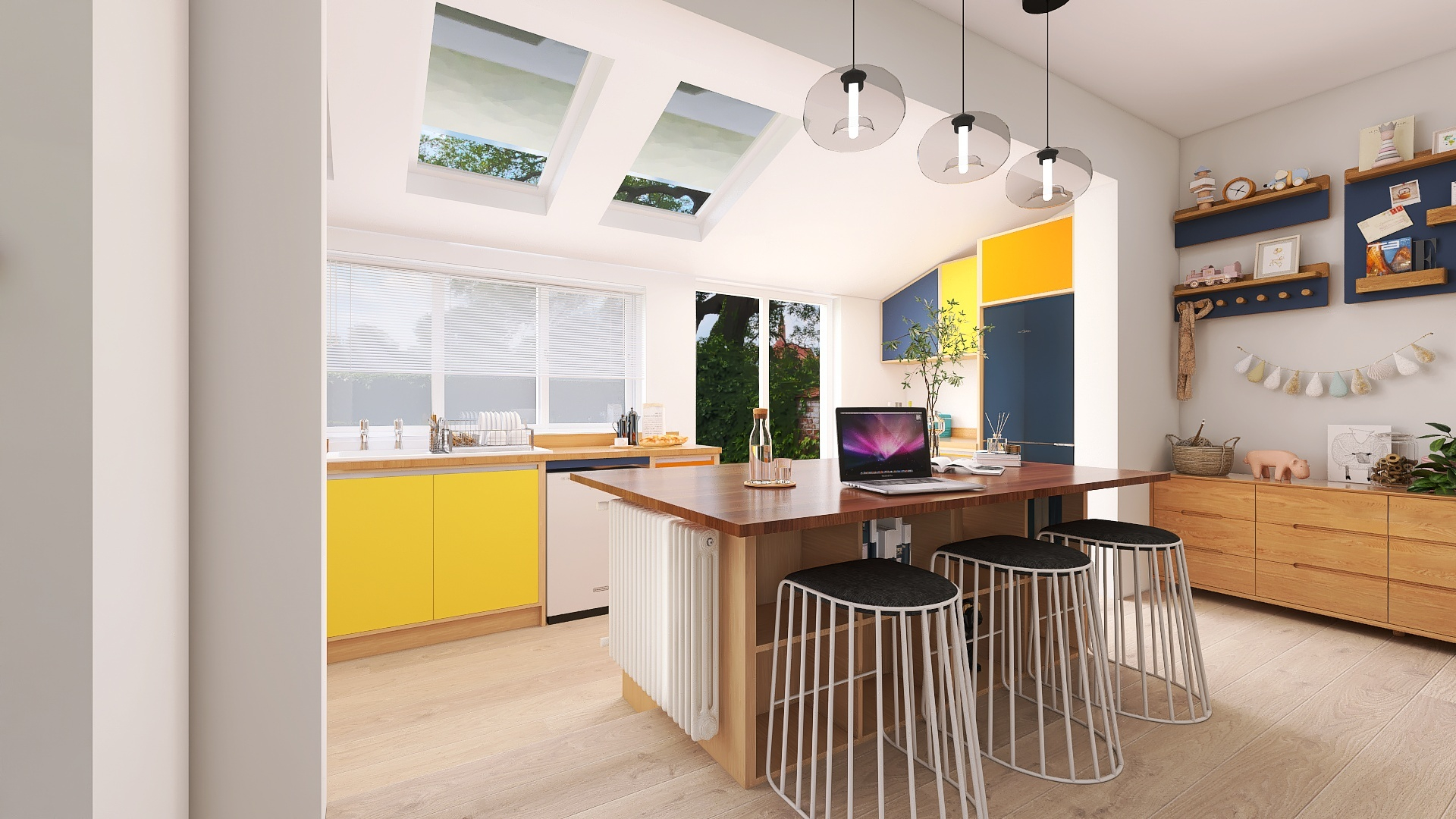
Should You Renovate in Phases or All at Once?
Should You Renovate in Phases or All at Once?
Planning a home renovation is exciting, but one of the biggest decisions homeowners face is whether to complete everything in one project or spread the work over several stages.
The right approach depends on your budget, lifestyle, and long-term goals. Whether you're planning a full home renovation in Bristol or a smaller extension, understanding the pros and cons of each option can help you make the best choice.
Benefits of Doing Everything Together
Completing your renovation all at once offers several advantages.
By tackling the entire project in one go, you can:
Finish the renovation sooner
Reduce overall disruption to your daily life
Keep design and finishes consistent throughout your home
Avoid repeating setup and labour costs
Coordinate all trades more efficiently
A complete renovation also allows builders to work more effectively, often saving time compared to returning for multiple smaller projects over several years.
If you're planning a major remodel or extension, completing everything together can often provide better long-term value.
Advantages of Phased Renovations
Not every renovation needs to happen at once.
A phased approach allows you to complete improvements over time, making larger projects more manageable.
Benefits include:
Lower upfront costs
Greater financial flexibility
Time to plan future stages carefully
Ability to prioritise the most important areas first
Less pressure to make every design decision immediately
Many homeowners begin with kitchens, bathrooms, or a house extension, then move on to bedrooms, landscaping, or interior upgrades as their budget allows.
Budget Considerations
Your budget is often the biggest factor when deciding between a phased renovation and a full renovation.
While phased projects can make costs easier to manage, they may result in higher overall expenses due to repeated labour, setup, and material costs over time.
A full renovation may require a larger initial investment, but it can offer better value by reducing duplicated work and allowing materials and trades to be coordinated more efficiently.
Before making a decision, it's worth creating a realistic renovation budget and discussing your options with experienced professionals.
The Lifestyle Impact
Renovations can affect your daily routine, especially if you're living in the property during construction.
A full renovation usually means a shorter period of disruption, although it may be more intensive while work is underway.
Phased renovations can be less overwhelming at any one time, but they often extend the disruption over months or even years as each stage is completed.
Consider how construction will affect your family, work schedule, and overall lifestyle before choosing the best approach.
Making the Right Decision
There is no one-size-fits-all answer.
A full renovation is often the best option if you have the budget, want to minimise long-term disruption, and are ready to complete your vision in one project.
A phased renovation may be more suitable if you prefer to spread costs over time or if your priorities are likely to change in the coming years.
An experienced renovation specialist can help you create a practical plan that balances your budget, timeline, and future goals.
Final Thoughts
Whether you renovate all at once or in carefully planned stages, success comes down to thoughtful planning and expert guidance.
By understanding the benefits and trade-offs of each approach, you can choose a renovation strategy that suits your lifestyle and helps you achieve the home you've always wanted.
Download the Renovation Timeline Planner
Not sure where to start? Download our Renovation Timeline Planner to help organise every stage of your project from budgeting and design to construction and completion so you can renovate with confidence.
