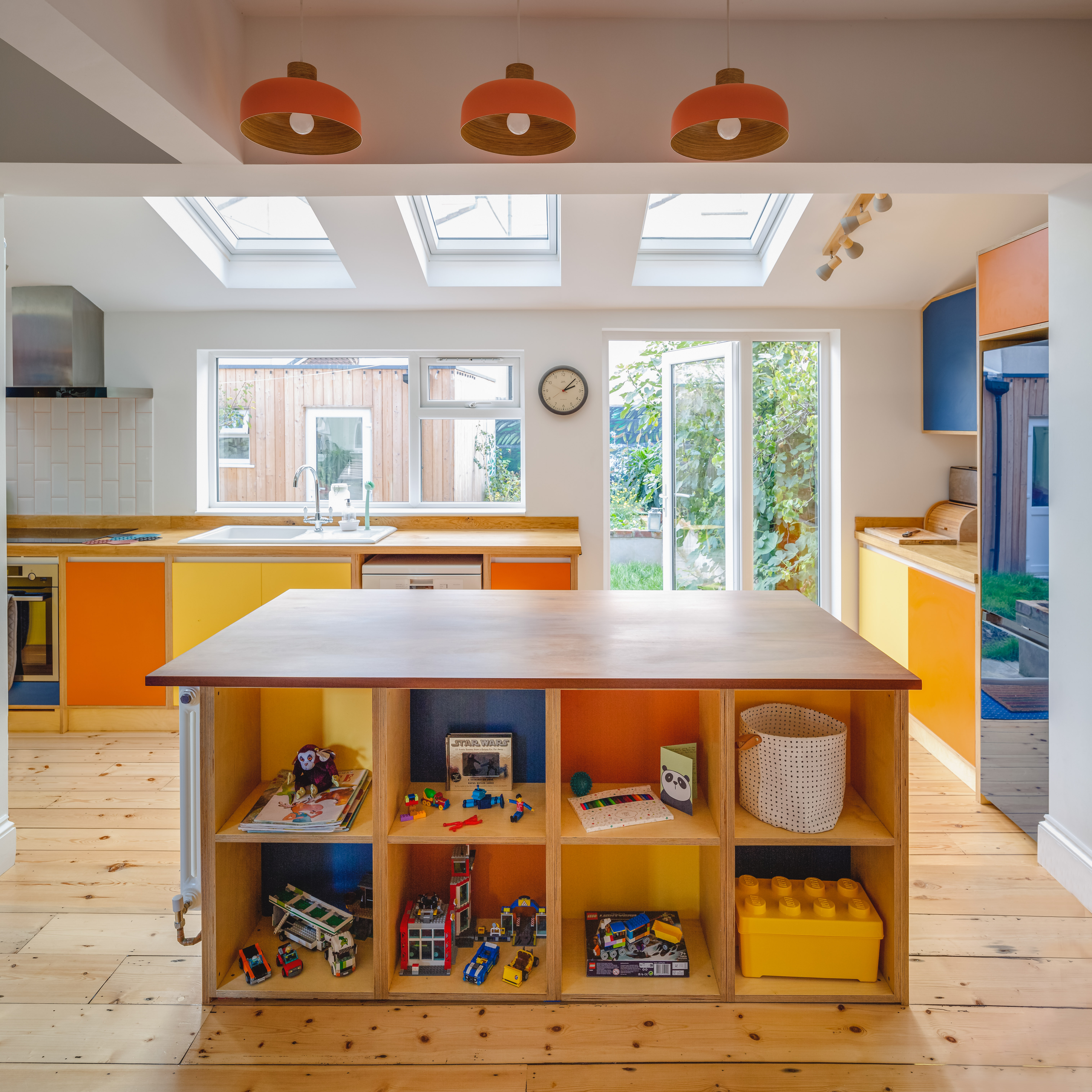
What Actually Drives Renovation Costs?
What Actually Drives Renovation Costs?
Planning a home renovation is exciting, but understanding what influences the final cost can be challenging. Many homeowners focus on the size of the project, but several other factors play a major role in determining the overall budget.
If you're planning a renovation or extension, knowing where your money goes can help you make informed decisions and avoid unexpected expenses. Here's a closer look at what really drives renovation costs in Bristol.
Structural Work Explained
The structure of your home is one of the biggest cost factors in any renovation.
Projects that involve removing walls, strengthening existing structures, adding steel beams, or building extensions require skilled labour and specialist materials. Older properties may also reveal hidden issues, such as damaged timber, outdated construction methods, or unstable foundations, which need to be addressed before work can continue.
The more structural changes involved, the higher the overall cost is likely to be.
Services & Utilities
Behind every finished room is a network of essential services.
Electrical wiring, plumbing, heating systems, ventilation, and drainage often need to be upgraded or relocated during a renovation. Adding new kitchens, bathrooms, utility rooms, or home offices can significantly increase the amount of work required.
While these upgrades aren't always visible once the project is complete, they're essential for creating a safe, functional, and future-ready home.
Planning & Professional Fees
A successful renovation starts long before construction begins.
Depending on the scope of your project, you may need planning permission, building regulations approval, structural engineering, architectural drawings, or surveys.
Professional fees often include:
Architectural design
Structural engineering
Planning applications
Building control inspections
Surveying services
Project management
Although these costs are sometimes overlooked, they help ensure your renovation complies with regulations and runs smoothly from start to finish.
Finish Levels & Specifications
The quality of materials and finishes has a significant impact on your renovation budget.
For example, choosing bespoke cabinetry, natural stone worktops, premium flooring, designer lighting, or luxury bathroom fittings will naturally cost more than standard options.
The key is finding the right balance between quality, durability, and budget. Investing in high-quality finishes for the areas you use most can provide better long-term value while helping your home look and perform at its best.
Hidden Costs Homeowners Miss
Even the most carefully planned renovations can uncover unexpected costs.
Some common hidden expenses include:
Repairing hidden structural damage
Upgrading outdated electrical or plumbing systems
Removing asbestos where present
Improving insulation to meet current standards
Temporary accommodation during major works
Landscaping or external repairs after construction
Including a contingency fund—typically around 10–15% of your renovation budget—can help you manage these surprises without unnecessary stress.
Final Thoughts
Every home renovation is unique, and the final cost depends on far more than the size of the project. Structural work, utility upgrades, professional planning, finish selections, and unexpected issues all contribute to the overall investment.
Understanding these factors allows you to budget more accurately and make informed decisions throughout the renovation process. Working with experienced professionals can also help identify potential challenges early, keeping your project on track and reducing costly surprises.
Download the Renovate vs Move Guide
Still deciding whether to renovate your current home or move somewhere new? Download our Renovate vs Move Guide to compare the costs, benefits, and long-term value of each option before making your next big decision.
